Four steps.
No pipeline diagram.
This page follows four real frames from the card to the finished file, the way it happens on a Tuesday night. Numbers where the numbers are interesting, and measured rather than estimated everywhere else.
The screen fills before the drive does.
The previews baked into your files are read first and the full RAWs are copied underneath them, so the frames are in front of you in the time it takes to make tea while the transfer finishes on its own. Nothing about this step waits for the interesting part to be over.
You start judging pictures. The copy finishes beside you.
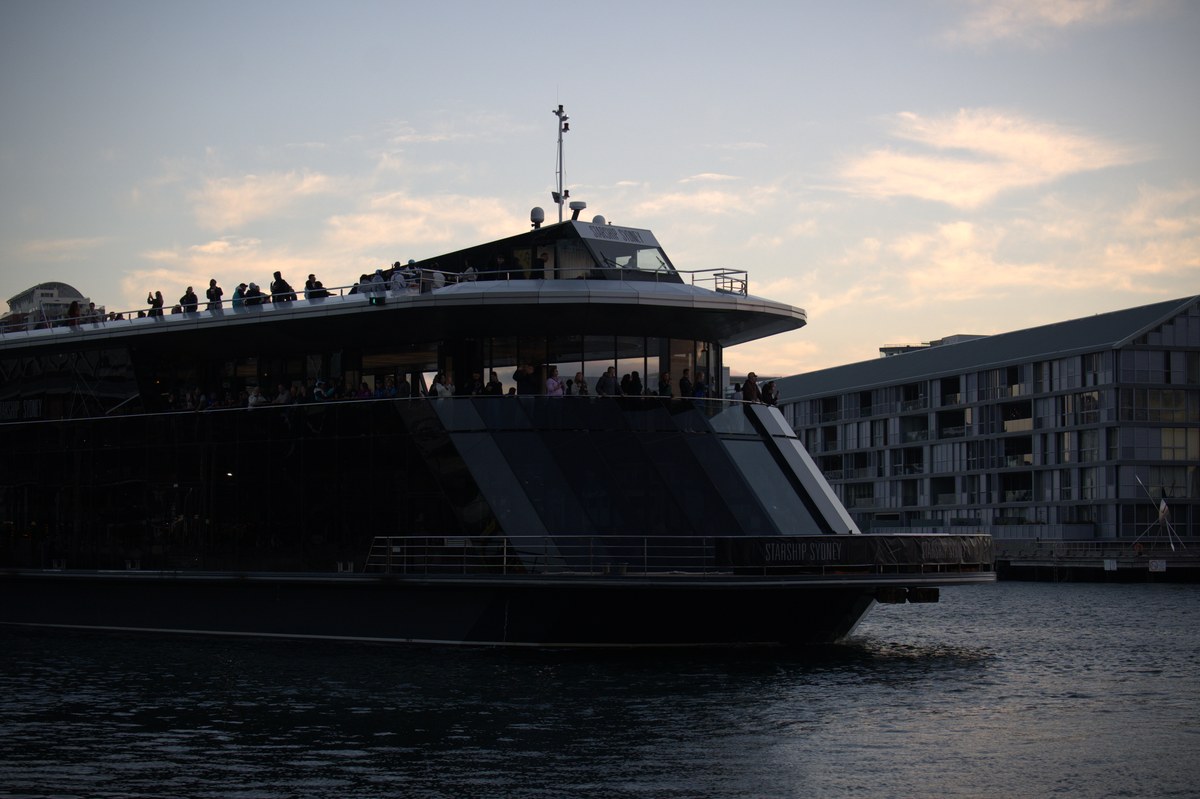
Same viewer, same keys, one extra line on screen.
Whatever program you trust is still the program you are in. An overlay shows what was noticed about the frame on screen — a score, backlit, a dress reading as blown — and 1–5 files it and moves on. The ratings land in your EXIF, so Lightroom and your archive see exactly what they saw before.
Four frames a second, no mouse travel.
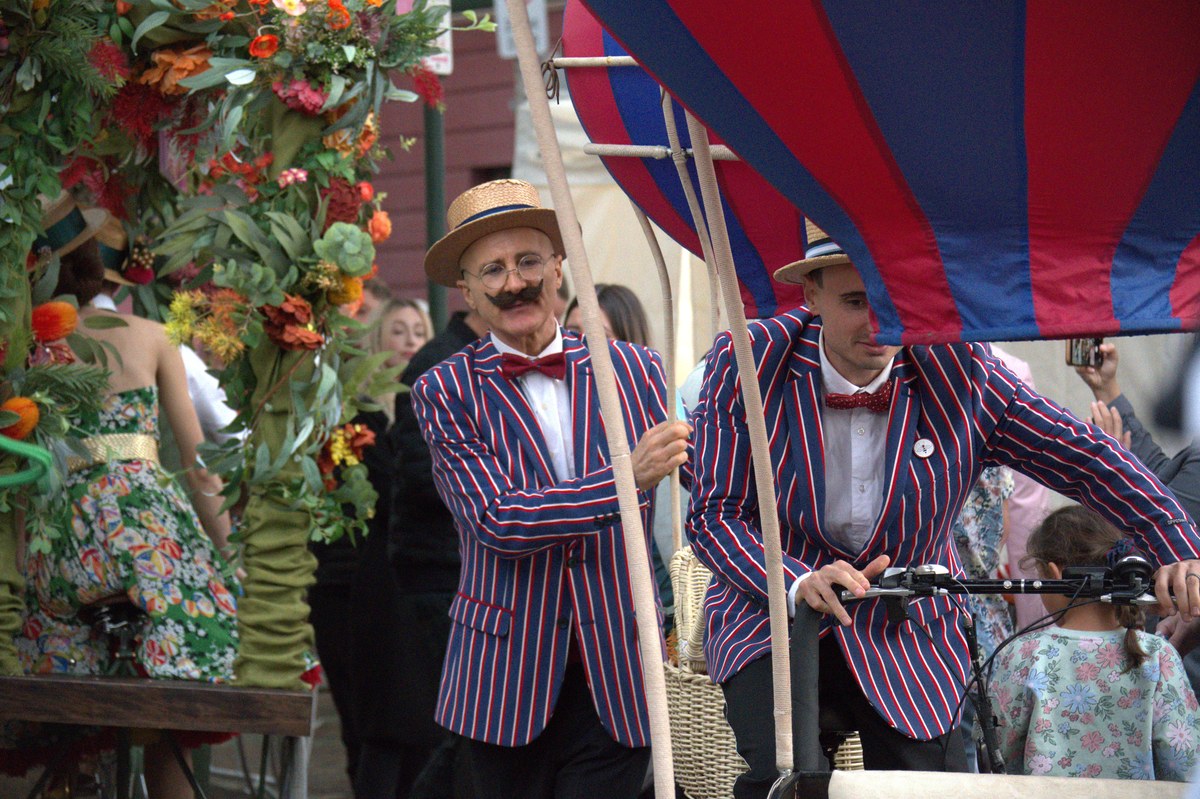
Skin, eyes and backdrop get their own masks.
Local work is where most edits fall apart: a warm face against a cold window, a highlight running down one cheek, a sky already at its limit. Those areas are separated and adjusted on their own, so the sky keeps its gradient while the face comes up — and the result leaves as an image with the layers still in it.
Skin without plastic. Sky without posterization.
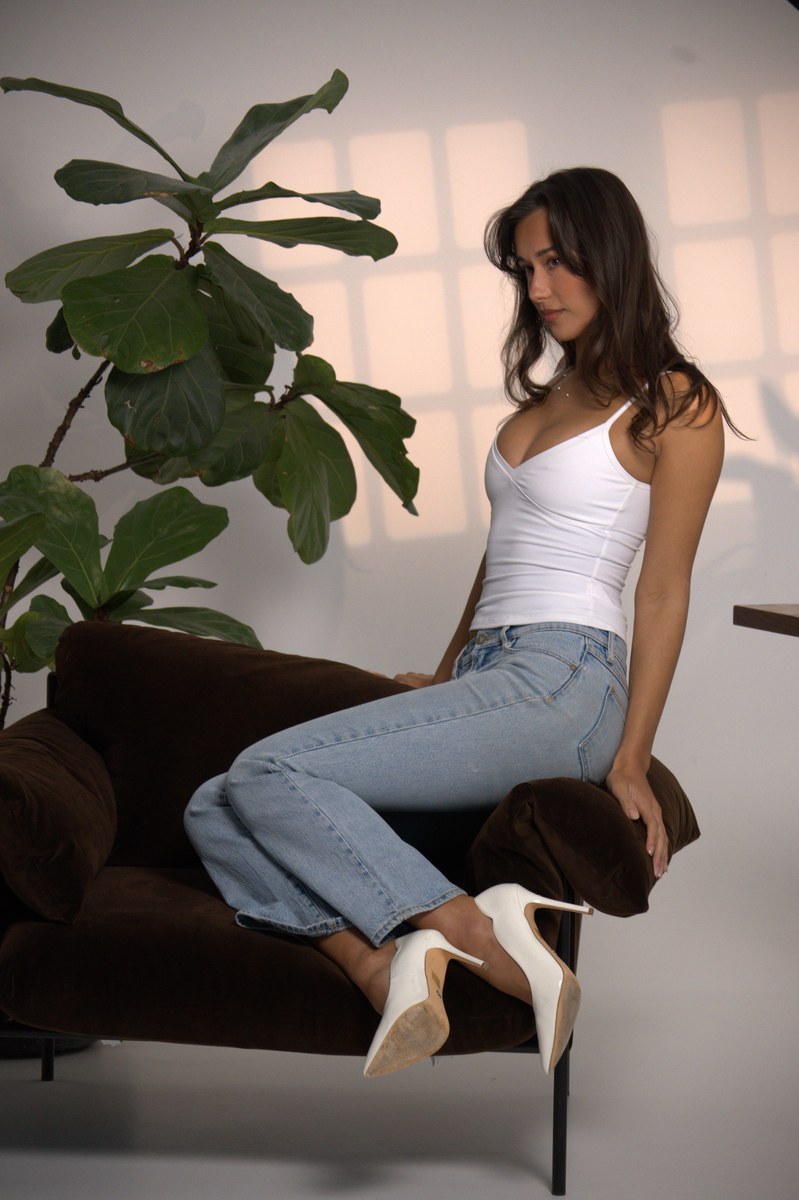
The batch runs while you are not there.
Give it a folder on your way out. Strong frames come back finished, doubtful ones come back flagged with the reason, and none of them are quietly guessed at. In the morning you approve, or you say why not.
The frames it was unsure about are waiting for you, not pretending.
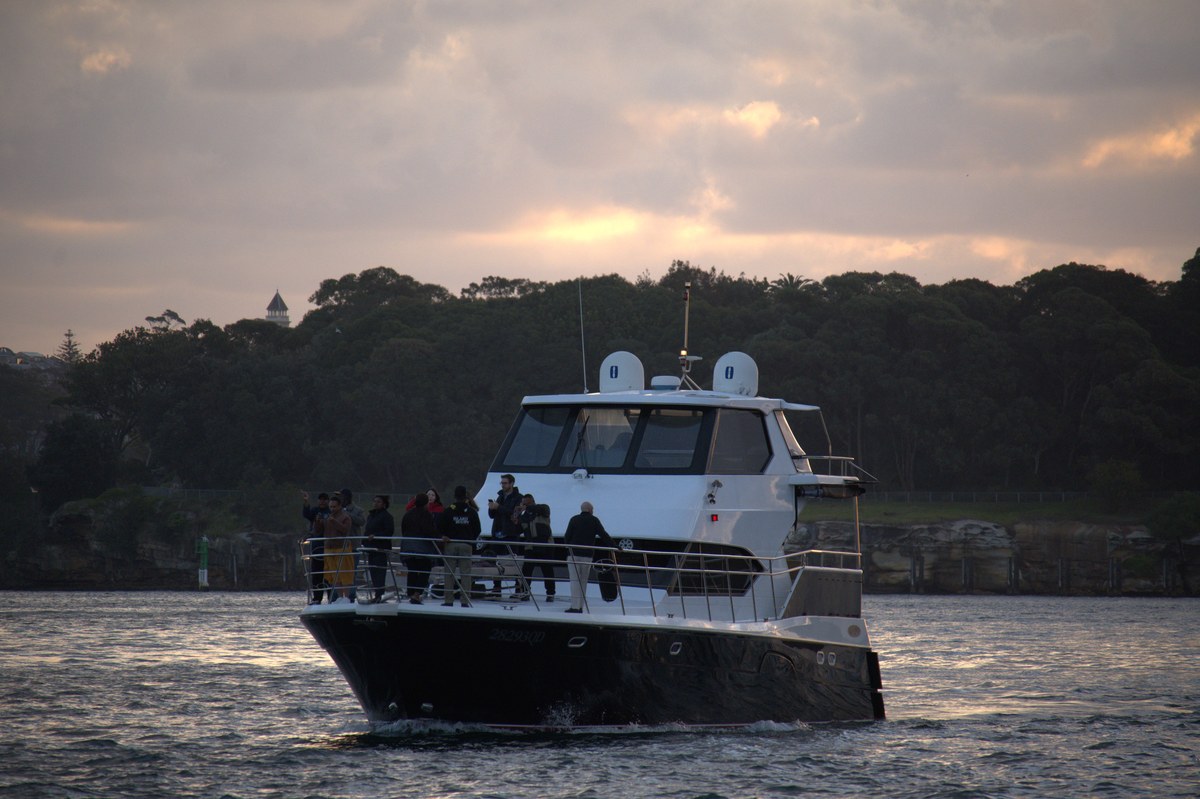
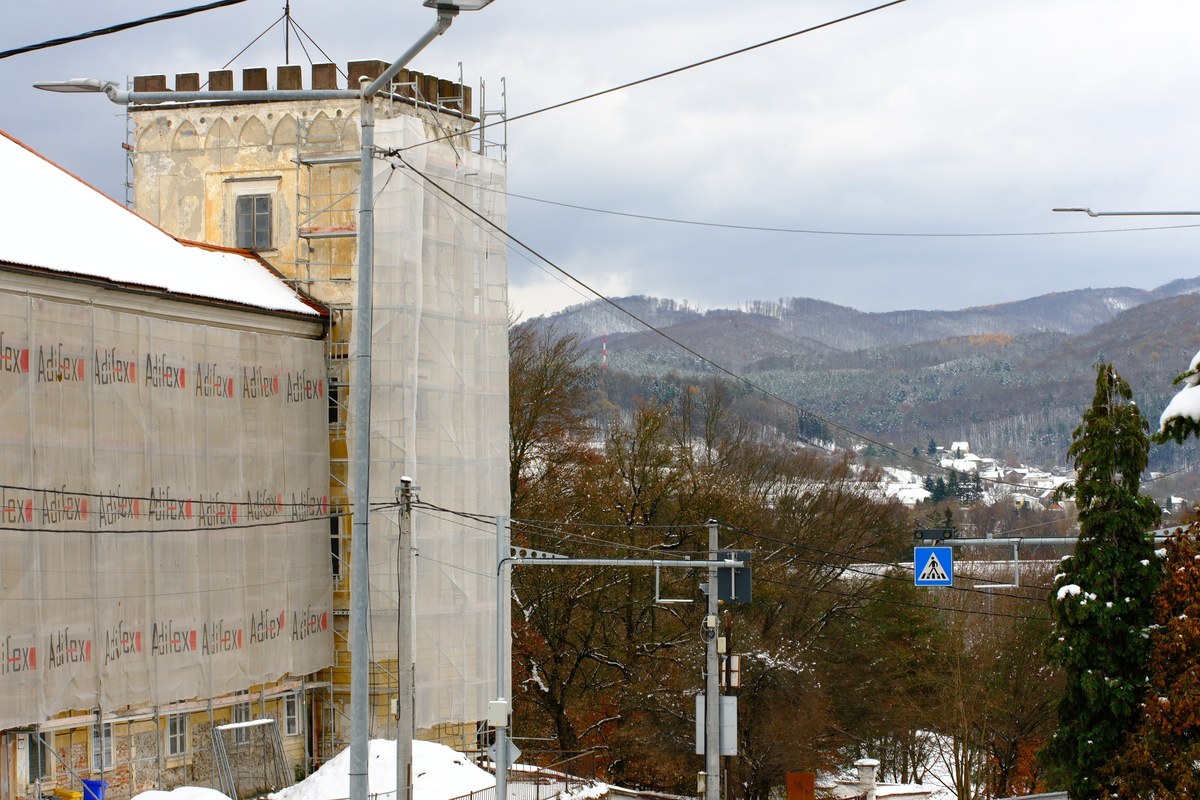
The frame the tool would not edit.
Snow is already at the ceiling. Lifting the scaffold by a photographable amount pushes the ground past 255 and clips it, so the pass was rejected and the frame ships unedited.
The same gate is why the numbers above can be trusted. Every pass on this site was checked against four conditions before it was allowed to appear: the protected core must not move, the clip count must not climb past a threshold, the skin hue must not rotate, and the gain that was asked for must actually be the gain that was applied. Ten frames passed. One did not, and it is on the page.
Where the machine stops and you start.
- Reading a frame: what is skin, what is fabric, what is already clipped, which way the light came from.
- Turning an instruction into values, in the right order, for this camera and this file.
- Finding the edges of a subject so a local adjustment lands on it and nowhere else.
- Working through hundreds of frames overnight without asking you to sit and watch.
- What the photograph is about — the frame worth keeping out of four that look almost identical.
- What the light means. Warm, honest, cool, moody: not a slider position, a decision.
- How far is too far on skin, and when a subject should stay as found.
- The last look. Approve, reject, or say why — that note is the next instruction.
A preset is one answer, applied to every photograph that will ever be made in that style.
It cannot know that this frame was shot into the sun and the last one was not. LVS looks at the frame it has, in the light it was actually shot in, and decides what that one photograph needs. Ask it the same thing tomorrow about a different frame and you will get a different answer — because the frame is different.
Presets assume every face is lit the same. Nothing is.